


 Mr. Perry Wu International Sales Director

Thermal Heat Transfer Solutions: Top ODM Suppliers & Manufacturers
As a professional in the field of thermal heat transfer, I understand the importance of selecting the right manufacturer to meet your needs. With my experience, I can confidently say that Shenzhen Xinda Thermal Technology Co., Ltd. stands out among the competition. Our products are designed to provide optimal Thermal Management solutions, ensuring efficiency and reliability in various industrial applications, We focus on delivering the best thermal heat transfer solutions, collaborating closely with our clients to tailor products that suit their specific requirements. Our range includes cutting-edge thermal interfaces, customized solutions, and high-performance materials. Plus, as a supplier dedicated to quality and innovation, we guarantee that our products meet the highest standards, Choosing us means partnering with a trusted name in the industry, known for exceptional customer service and timely delivery. If you’re in the market for the best thermal heat transfer products, let’s connect today and explore how we can meet your needs effectively

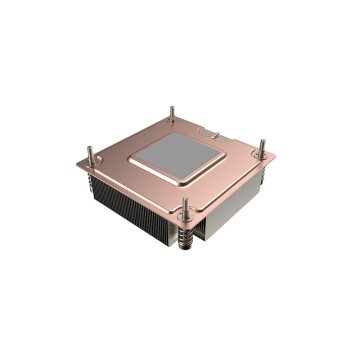
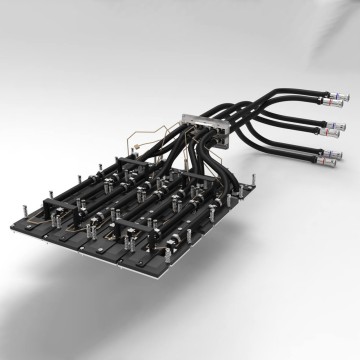
How To Select Thermal Heat Transfer Your Trusted OEM Partner Outperforms the Competition
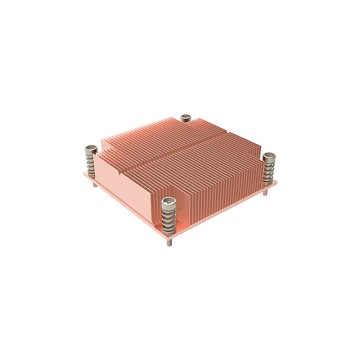
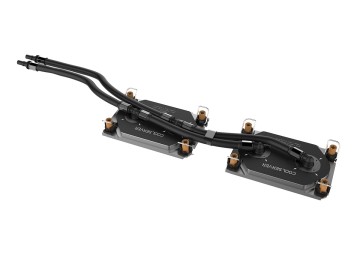
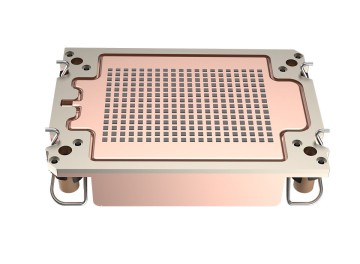
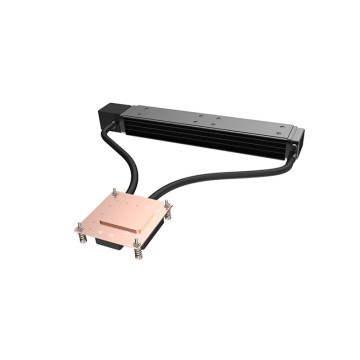
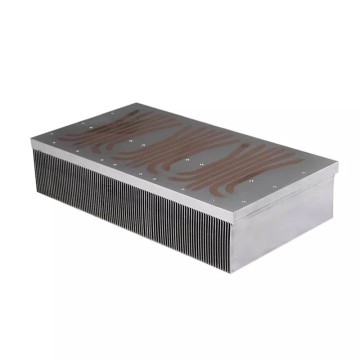
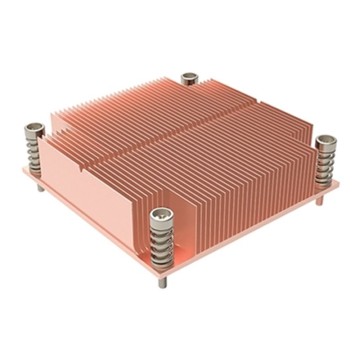
Selecting the right OEM partner for thermal heat transfer solutions can be a daunting task, especially in a competitive landscape. Key factors to consider include the range of manufacturing processes offered, the quality of the products, and the partner's ability to meet specific requirements. An ideal partner should be equipped with diverse capabilities such as CNC machining, extrusion, cold forging, and high-precision stamping. These processes enable the production of high-quality heat sinks that cater to various applications in industries ranging from electronics to automotive. Furthermore, the incorporation of advanced technologies like skiving fins, Heat Pipe heat sinks, vapor chambers, liquid cooling, and thermal module assembly can significantly enhance product performance and reliability. It’s essential to evaluate potential partners on their ability to innovate and adapt to new market demands while maintaining rigorous quality control standards. By partnering with a manufacturer that excels in these areas, global buyers can ensure that they receive superior thermal management solutions that not only meet but exceed industry expectations. In conclusion, the right OEM partner will not only provide high-quality products but will also foster collaboration and adaptability to support your specific project needs. Investing time in selecting an experienced and capable partner can yield long-term benefits, boosting efficiency and product performance. Be sure to thoroughly assess each potential partner's expertise, technology, and commitment to quality in order to make an informed choice that drives success for your business.
How To Select Thermal Heat Transfer Your Trusted OEM Partner Outperforms the Competition
| Criteria | Description | Importance (1-5) | Performance Rating (1-10) |
|---|---|---|---|
| Experience | Years in the thermal transfer industry | 5 | 9 |
| Technology | Adoption of advanced thermal technology | 4 | 8 |
| Quality Assurance | Quality certification and testing processes | 5 | 10 |
| Client References | Feedback from previous and current clients | 4 | 9 |
| Customization | Ability to tailor solutions to client needs | 5 | 8 |
| Cost Competitiveness | Pricing relative to market standards | 4 | 7 |
| After-Sales Support | Customer service and support post-purchase | 5 | 9 |
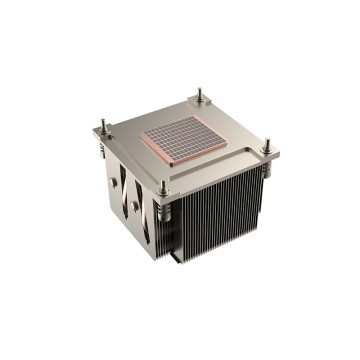

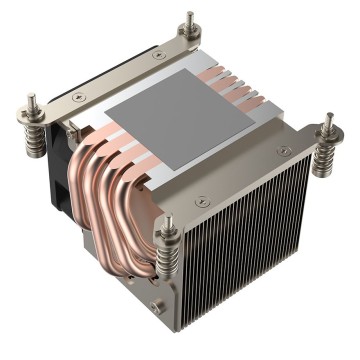
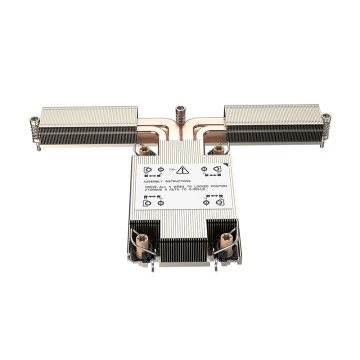
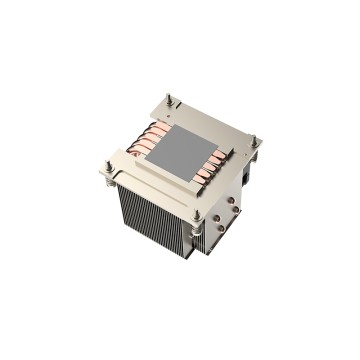
Practical Methods To Thermal Heat Transfer in 2025 Winning in 2025
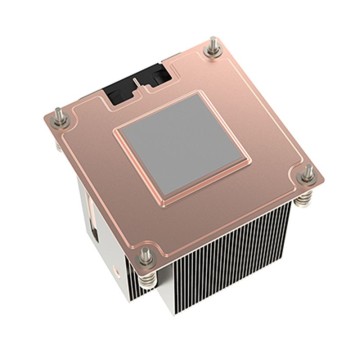
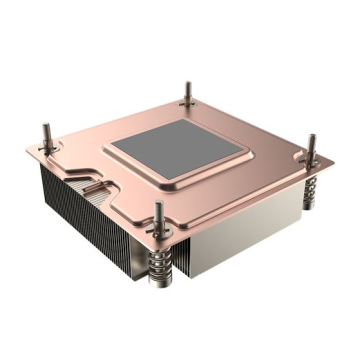


A
Alexander King
Fantastic product! The service team was very professional, guiding me through every step of the process.
19 May 2025
H
Henry Nguyen
Excellent quality overall! The after-sales support team was knowledgeable and eager to assist.
11 June 2025
D
David Ramirez
Quality is impressive! Their after-sales service stands out for its professionalism and quick response time.
17 May 2025
O
Oliver Hill
Amazing quality product! I was impressed with the dedication shown by the support team. They truly care about their customers.
19 June 2025
O
Olivia Gray
Exceptional quality! The after-sales service was quick, professional, and very attentive to my needs.
06 July 2025
B
Benjamin Miller
Top-notch quality! The after-sales support staff provided quick and insightful responses.
24 May 2025