


 Mr. Perry Wu International Sales Director

Passive Heat Sinks ODM: Trusted Manufacturer & Factory Solutions
Our factories in Shenzhen focus on innovative designs that not only dissipate heat effectively but also fit seamlessly into your product’s aesthetic. I’ve seen firsthand how our Passive Heat Sinks enhance performance while ensuring durability. The manufacturing process is streamlined, and I can assure you that quality is our top priority, Choosing us means you’re investing in a partnership that prioritizes your success. Let’s work together to boost your product’s reliability and efficiency. With our expertise in thermal technology, your satisfaction is guaranteed


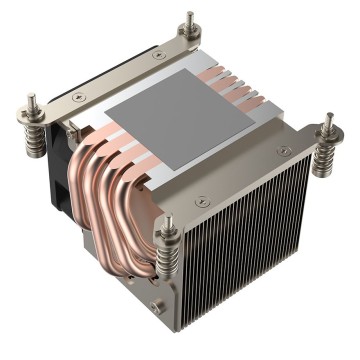
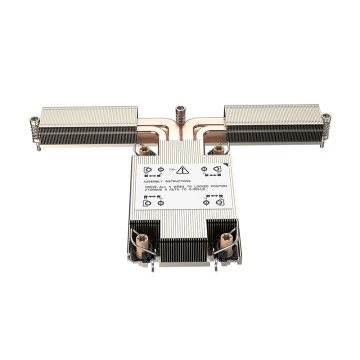

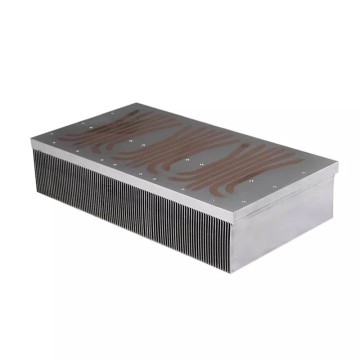
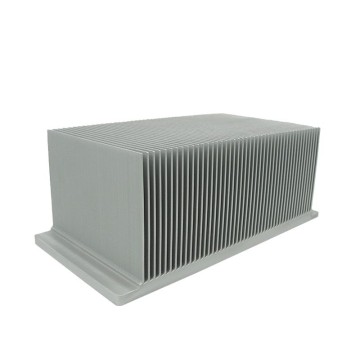
Insider Tips For Passive Heat Sinks From Concept to Delivery Delivers Unmatched Quality
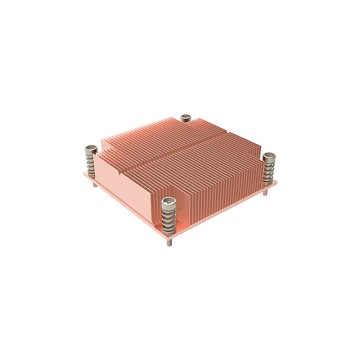
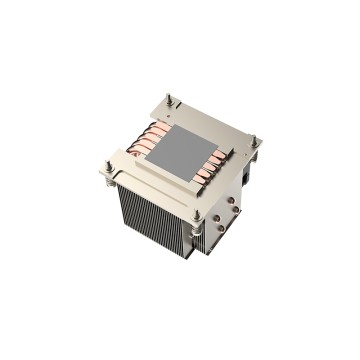
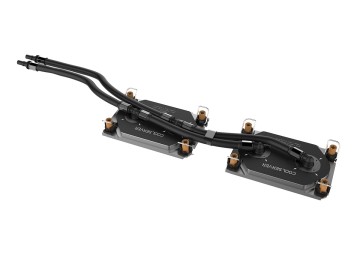
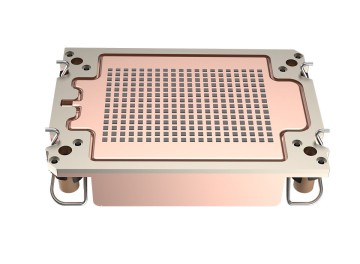
When it comes to designing and delivering passive heat sinks, understanding the nuances of the manufacturing process is crucial. From the initial concept phase to final delivery, employing various techniques can significantly enhance the quality and performance of heat sinks. Utilizing methods such as CNC machining and extrusion allows for precise dimensions and tailored designs to meet specific thermal requirements, ensuring optimal heat dissipation. Moreover, integrating advanced production techniques like cold forging and high-precision stamping offers the ability to create intricate geometries and improved surface areas, which are vital for enhancing thermal efficiency. The innovation doesn’t stop there; approaches like skiving fins and Vapor Chamber design further contribute to sophisticated cooling solutions, making them ideal for high-performance applications. Coupled with liquid cooling and thermal module assembly, these methods collectively ensure unmatched quality in the final product. For global buyers seeking reliable partners in heat sink manufacturing, it is essential to consider not only the variety of processes available but also the quality assurance measures in place throughout production. By prioritizing these elements, procurement professionals can maximize their return on investment, ensuring that their thermal management systems are both efficient and durable. Ultimately, an insightful approach to the entire manufacturing journey—from concept to delivery—will yield superior passive heat sinks that meet the rigorous demands of today’s technological landscape.
Insider Tips For Passive Heat Sinks From Concept to Delivery Delivers Unmatched Quality
| Tip | Description | Importance | Delivery Timeframe |
|---|---|---|---|
| Material Selection | Choose high thermal conductivity materials like copper or aluminum. | Critical for efficient heat dissipation. | 2-4 weeks |
| Design Optimization | Involve CFD analysis to optimize heat sink geometry. | Helps maximize heat transfer efficiency. | 3-6 weeks |
| Fin Design | Use various fin configurations to enhance airflow. | Significantly improves cooling performance. | 2-3 weeks |
| Surface Treatment | Implement anodizing or plating for improved corrosion resistance. | Ensures longevity and durability of the heat sink. | 1-2 weeks |
| Testing & Validation | Conduct real-world thermal performance testing. | Verifies design effectiveness under load. | 4-6 weeks |
| Quality Control | Establish rigorous QC processes to ensure defect-free products. | Essential for maintaining high standards. | Ongoing |
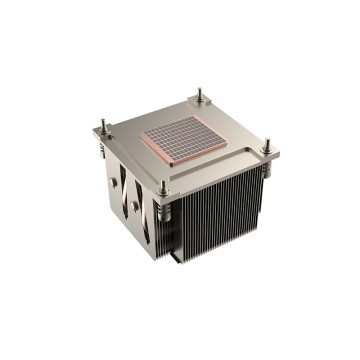
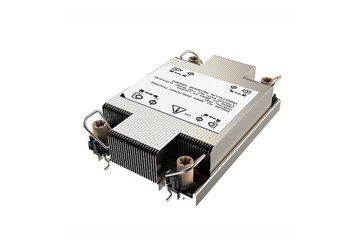
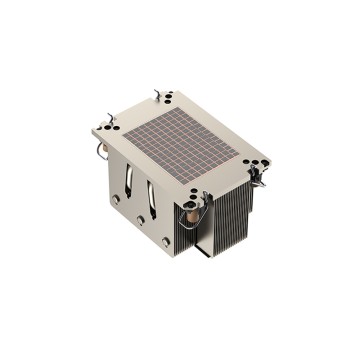
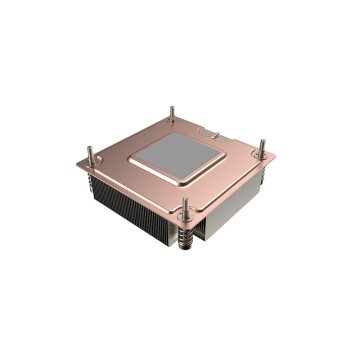
China’s Best-Selling Passive Heat Sinks Exceeds Industry Benchmarks Sets the Industry Standard


J
James Smith
The quality of the item is remarkable! I appreciated the swift and professional response from the customer service team.
04 July 2025
H
Henry Nguyen
Excellent quality overall! The after-sales support team was knowledgeable and eager to assist.
11 June 2025
S
Scarlett Bennett
The product quality is outstanding! The after-sales service exceeds expectations with their professionalism.
28 June 2025
G
Grace Hall
Exceptional quality! The after-sales team displayed a high level of professionalism in assisting me.
26 May 2025
N
Nicole Moore
Excellent quality product! The after-sales service team was very professional and provided quick and helpful responses.
18 May 2025
K
Katherine Reed
Great quality product! The support team provided excellent service and was very knowledgeable.
20 May 2025