


 Mr. Perry Wu International Sales Director

Top ODM Suppliers for Motherboard Heatsinks: Factories You Can Trust
When it comes to reliable cooling solutions, I specialize in top-quality Motherboard Heatsinks designed for OEMs, manufacturers, and suppliers. Our products are engineered to optimize thermal management, ensuring your devices perform at their best under pressure. The heatsinks we provide not only enhance durability but also improve device longevity, making them a perfect fit for various applications, At Shenzhen Xinda Thermal Technology Co., Ltd., I take pride in our commitment to delivering high-performance components that meet industry standards. With a focus on innovation and quality, I work closely with partners to customize heatsink solutions that fit their specific needs. Trust in our expertise to keep your electronics cool, allowing for seamless functionality. Let’s work together to enhance your product line with efficient and reliable thermal management solutions. Your satisfaction is my number one priority, and I’m here to support you every step of the way

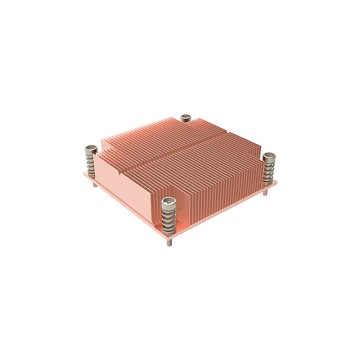
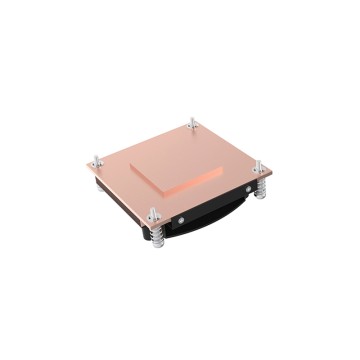
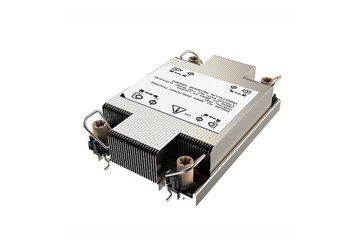
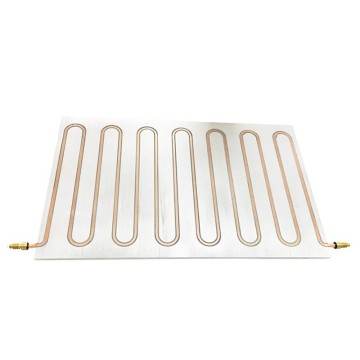
Key Methods For Motherboard Heatsink Pioneers in the Field Manufacturers You Can Rely On
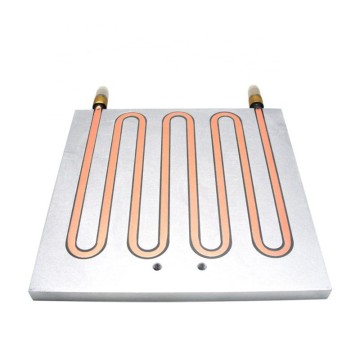
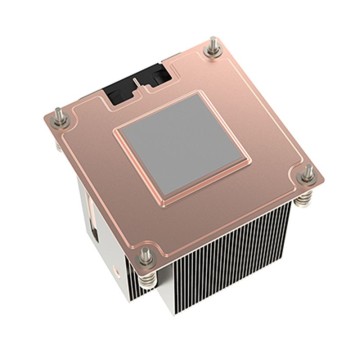
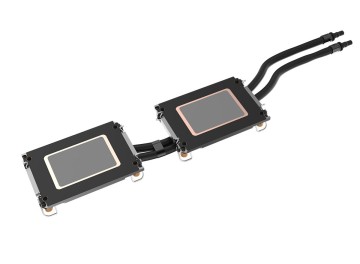
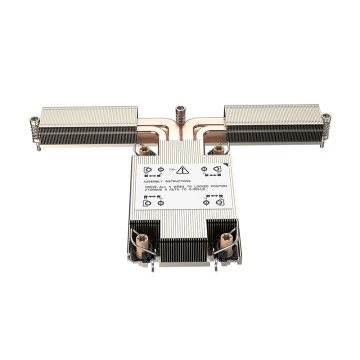
In the ever-evolving world of electronics, effective thermal management is crucial for the longevity and performance of components, especially motherboards. As a key player in the field, manufacturers looking to innovate and enhance their product offerings must rely on advanced heatsink solutions. The integration of various manufacturing processes is vital in creating high-quality heatsinks that meet diverse industry demands. Techniques such as CNC machining and extrusion allow for precision in design, enabling the production of complex shapes that maximize surface area and improve heat dissipation. Cold forging and high precision stamping are also essential in producing heatsinks that are not only efficient but also cost-effective. These methods support the creation of robust structures while maintaining the desired thermal conductivity through materials tailored for specific applications. Furthermore, technologies like skiving fins, heat pipe integration, and Vapor Chamber designs offer advanced thermal solutions that cater to high-performance computing and gaming systems. Exploring liquid cooling systems and thermal module assemblies presents manufacturers with innovative options that significantly enhance cooling efficiency. These methods elevate product reliability and performance, positioning companies as leaders in thermal management solutions. By partnering with manufacturers who employ a variety of these advanced techniques, global buyers can ensure they're sourcing the best heatsink solutions, paving the way for groundbreaking advancements in electronics design and functionality.
Key Methods For Motherboard Heatsink Pioneers in the Field Manufacturers You Can Rely On
| Method Type | Description | Material Used | Efficiency Rating |
|---|---|---|---|
| Passive Cooling | Utilizes heat sinks to dissipate heat without fans. | Aluminum | 85% |
| Active Cooling | Involves the use of fans or pumps to enhance heat dissipation. | Copper | 95% |
| Liquid Cooling | Uses liquid coolant to transfer heat away from components. | Water / Glycol Mixture | 90% |
| Thermal Paste Application | Improves thermal contact between components and heatsinks. | Silicone-based Compound | 87% |
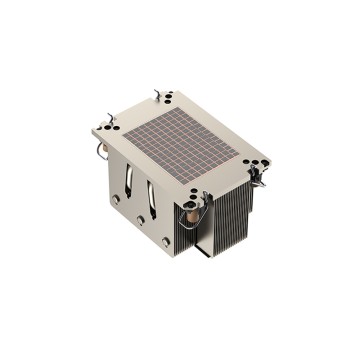

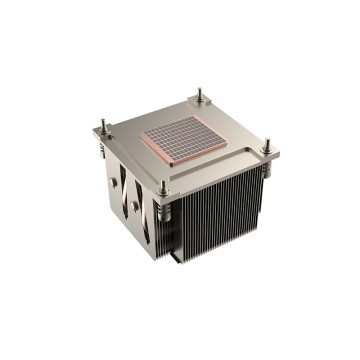
Best Way To Motherboard Heatsink Trusted by Pros Pioneers in the Field
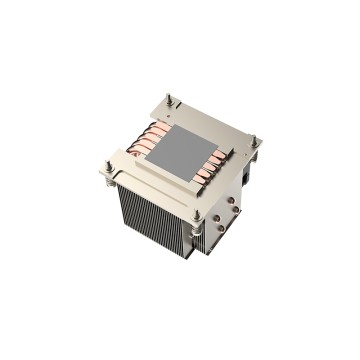
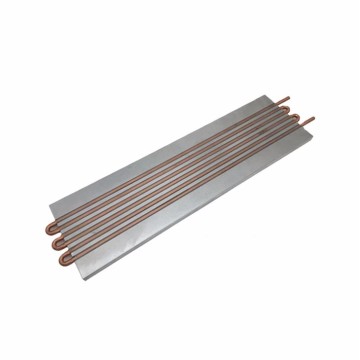


J
Jessica Thompson
I am thoroughly impressed with the quality of this product. The attention to detail is commendable, and the after-sales service has been exceptional.
02 July 2025
J
James Smith
The quality of the item is remarkable! I appreciated the swift and professional response from the customer service team.
04 July 2025
V
Victoria Allen
Outstanding quality! The after-sales support was timely, knowledgeable, and very professional.
29 May 2025
C
Chloe Adams
Quality product! The staff was very friendly and responsive, demonstrating excellent after-sales service.
17 May 2025
B
Bradley Thompson
Quality is unparalleled! The after-sales support showed genuine care and attention, addressing all my needs.
10 June 2025
L
Leo Davis
Fantastic quality! The professionalism of the after-sales team went a long way in creating positive customer experience.
02 July 2025