


 Mr. Perry Wu International Sales Director

Heat Exchanger: How It Works - Top Suppliers and Manufacturers in China
When it comes to understanding Heat Exchanger How Does It Work, I can tell you that these devices are essential for efficient thermal management in various industries. They transfer heat between two or more fluids without mixing them, ensuring optimal performance and cost-effectiveness, As a reliable supplier and factory based in China, we at Shenzhen Xinda Thermal Technology Co., Ltd. specialize in high-quality heat exchangers tailored to your specific needs. We pride ourselves on our advanced manufacturing processes and commitment to customer satisfaction, Whether you're in need of custom designs or standard models, our heat exchangers are built to enhance energy efficiency and improve operational safety. Our team is ready to assist you in selecting the right solution for your business. Trust us to be your partner in achieving reliable Thermal Solutions that meet the demands of your industry

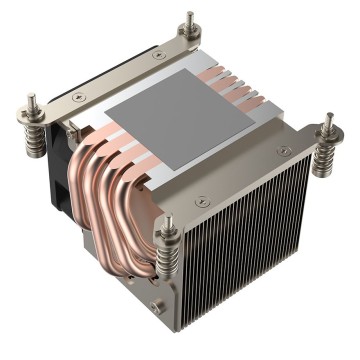
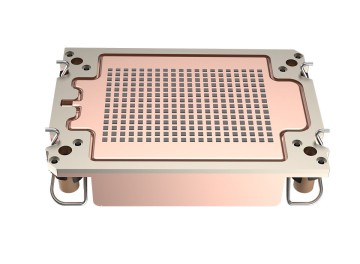
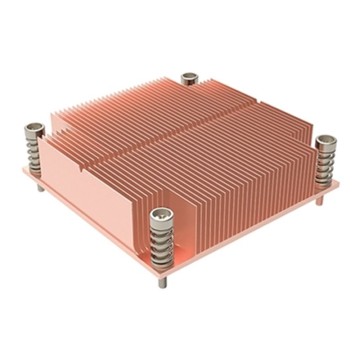
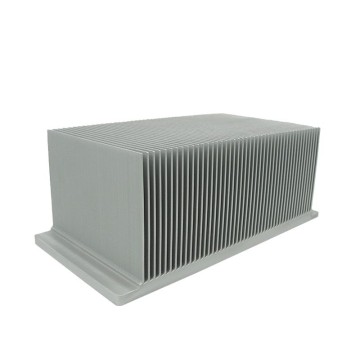
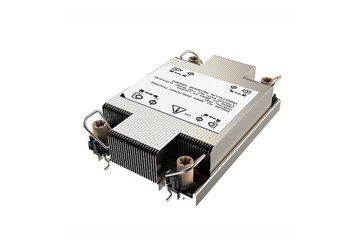
Best Ways To Heat Exchanger How Does It Work Products Service
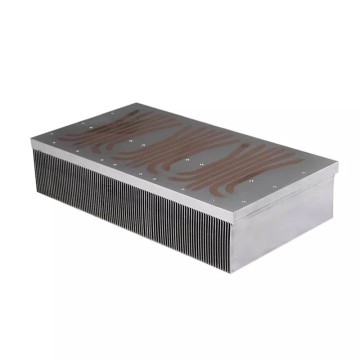
Heat exchangers are essential components in various industries, serving to efficiently transfer heat between two or more fluids. Understanding how they work can help businesses optimize their energy consumption and improve product performance. At their core, heat exchangers operate on the principle of thermal conductivity—transferring heat from a warmer fluid to a cooler one without mixing them. This process can significantly enhance the efficiency of cooling systems in sectors such as automotive, electronics, and HVAC. Utilizing advanced manufacturing processes like CNC machining, extrusion, and high-precision stamping, companies can produce high-quality Heat Sinks and modular cooling solutions tailored to specific applications. Highly effective designs, such as skived fins and vapor chambers, maximize surface area for heat dissipation, ensuring optimal performance. These technologies not only support effective thermal management but also contribute to the durability and reliability of products, making them an excellent choice for global buyers seeking high-performance thermal solutions. Investing in properly designed heat exchangers offers significant benefits, including improved energy efficiency and extended product lifecycles. Collaborating with manufacturers that leverage a variety of advanced techniques can lead to custom solutions that meet unique operational needs. As industries continue to prioritize sustainability and performance, the demand for innovative heat transfer solutions will only grow, driving further advancements in manufacturing capabilities and technology.
Best Ways To Heat Exchanger: How Does It Work, Products & Service
| Type of Heat Exchanger | Working Principle | Common Applications | Maintenance Tips |
|---|---|---|---|
| Shell and Tube | Employs a series of tubes, one set carries the hot fluid while the other carries the cold fluid. | Oil refineries, chemical processing, power generation. | Regular cleaning, inspect for leaks, check connections. |
| Plate Heat Exchanger | Uses multiple thin plates to create channels for hot and cold fluids to flow. | Food processing, HVAC systems, pharmaceuticals. | Inspect gaskets, monitor temperature, clean regularly. |
| Air-Cooled Heat Exchanger | Uses ambient air to cool or heat fluids in a fin or tube arrangement. | Power plants, refrigeration units, large commercial buildings. | Clear debris around unit, check fan operation, inspect for dust buildup. |
| Double-Pipe Heat Exchanger | Consists of one pipe inside another; one fluid flows in each pipe. | Water heating, pressure drop applications, HVAC systems. | Inspect for corrosion, monitor flow rates, clean regularly. |
| Finned Tube Heat Exchanger | Utilizes fins attached to tubes to increase surface area for heat transfer. | Air conditioning, refrigeration, industrial heating. | Check for fin damage, ensure airflow is unobstructed, clean coils. |
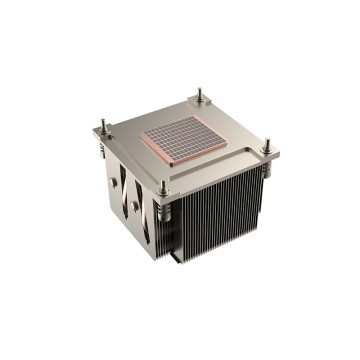

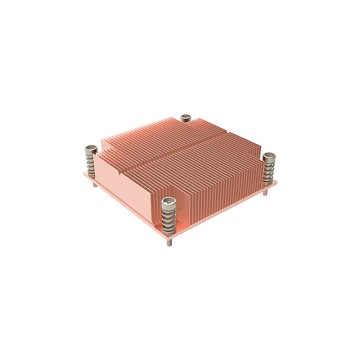
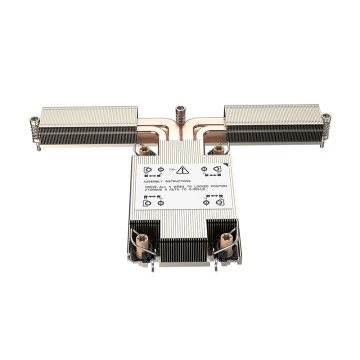
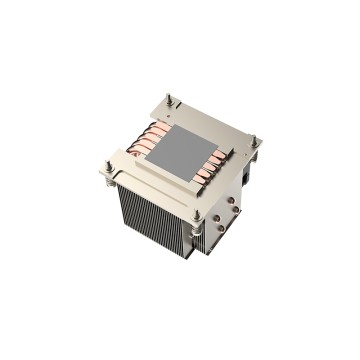
Best Practices For Heat Exchanger How Does It Work Supplies the World’s Top Brands Exceeds Industry Benchmarks
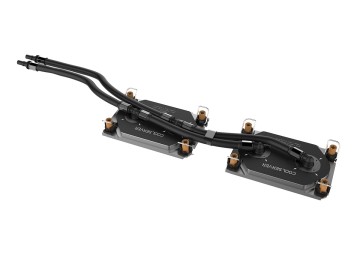
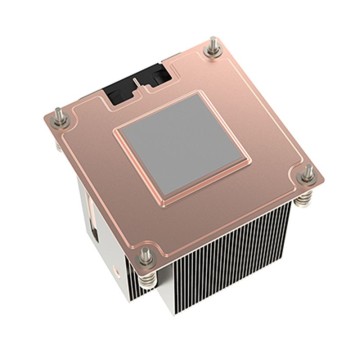
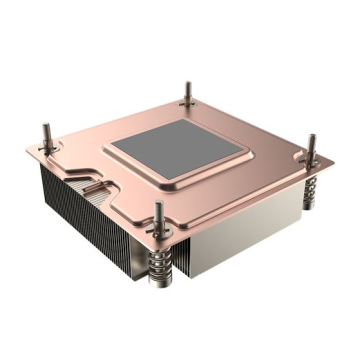


O
Oliver Hill
Amazing quality product! I was impressed with the dedication shown by the support team. They truly care about their customers.
19 June 2025
E
Ella Nelson
The quality of the product is superb! The after-sales service made sure I was completely satisfied with my purchase.
31 May 2025
C
Christian Lee
Fantastic product quality! The after-sales team was professional and very helpful in guiding me through the process.
25 May 2025
J
Jason Hall
Impressive quality! I appreciated the professionalism of the support team when addressing my inquiries.
25 June 2025
R
Riley Taylor
Exceptional quality and service! The customer support team was friendly and prompt, making my experience pleasurable.
10 June 2025
A
Ava Morgan
Very pleased with my purchase! The quality is excellent, and the after-sales service was outstanding.
22 May 2025