


 Mr. Perry Wu International Sales Director

China Extruder Heatsink Manufacturers & Suppliers for Optimal Performance
When searching for the best extruder heatsink, I understand how crucial it is to find a reliable supplier who meets both quality and performance standards. At Shenzhen Xinda Thermal Technology Co., Ltd., we pride ourselves on being one of the top manufacturers in this field. Our extruder heatsinks are designed with advanced Thermal Management technology, ensuring optimal cooling for your extrusion processes, We focus on delivering products that not only meet but exceed industry expectations, ideal for various applications. With our extensive experience and commitment to quality, you can trust that our heatsinks provide exceptional durability and efficiency. Whether you're scaling production or enhancing your current setup, I’m confident our solutions will cater to your specific needs. Don't settle for less when sourcing your heatsinks; let's elevate your production with the best in the market!


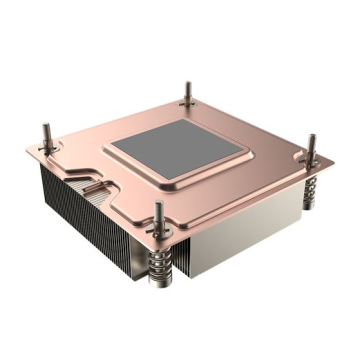
7 Key Tips To Extruder Heatsink Where Service Meets Innovation Sets the Industry Standard
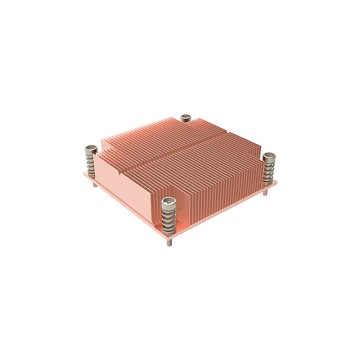
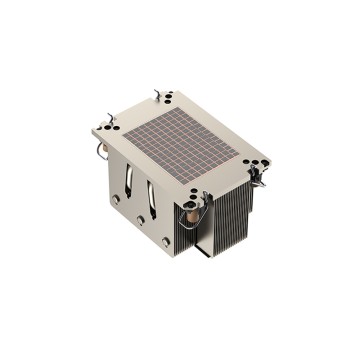
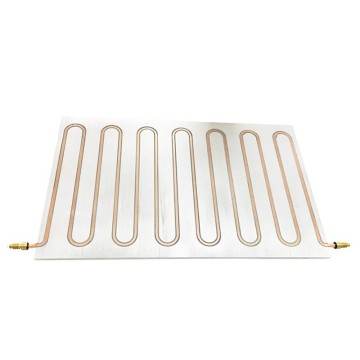
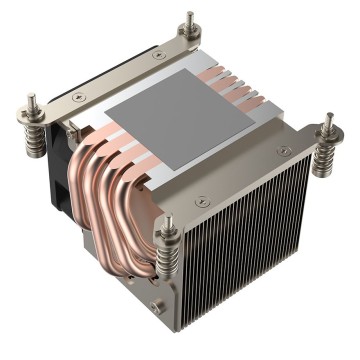
In today's competitive landscape, achieving optimal thermal management is crucial for various electronic applications. The use of effective heatsinks can significantly enhance the performance and lifespan of electronic components. To meet this demand, manufacturers must blend traditional practices with innovative technologies. Here are seven key tips for selecting extruder heatsinks that seamlessly combine service and innovation to set the industry standard. First and foremost, consider the manufacturing process. A versatile supplier that employs diverse methods such as CNC machining, extrusion, and cold forging can provide customized solutions tailored to specific thermal requirements. The integration of advanced techniques like high-precision stamping and skiving fins enhances thermal efficiency, ensuring that the heatsinks perform reliably under various operating conditions. Additionally, innovations in liquid cooling and Vapor Chamber technology further improve heat dissipation capabilities, making them essential for high-performance applications. Moreover, collaboration with manufacturers experienced in thermal module assembly can streamline the procurement process and reduce time to market. Suppliers that prioritize service-driven approaches, ensuring consistent communication and support throughout the project lifecycle, can foster long-term partnerships with global buyers. By focusing on these key areas, businesses can not only enhance their product offerings but also elevate customer satisfaction and drive industry standards forward.
7 Key Tips To Extruder Heatsink Where Service Meets Innovation Sets the Industry Standard
| Tip # | Key Tip | Description | Benefits |
|---|---|---|---|
| 1 | Material Selection | Choose high thermal conductivity materials for better heat dissipation. | Improved efficiency and longer component lifespan. |
| 2 | Design Optimization | Utilize CFD simulations to optimize heatsink geometry. | Maximized cooling performance and reduced energy costs. |
| 3 | Surface Treatments | Apply anodization or coating for enhanced thermal performance. | Increased thermal efficiency and corrosion resistance. |
| 4 | Fan Integration | Incorporate fans for forced convection cooling. | Enhanced airflow and lower operating temperatures. |
| 5 | Regular Maintenance | Schedule cleaning of heatsinks to remove dust and debris. | Consistent performance and longevity of the cooling system. |
| 6 | Thermal Interface Materials | Use high-quality thermal paste or pads. | Improved thermal transfer efficiency. |
| 7 | Testing and Validation | Conduct thermal performance testing under various conditions. | Ensures reliability and meets thermal design requirements. |
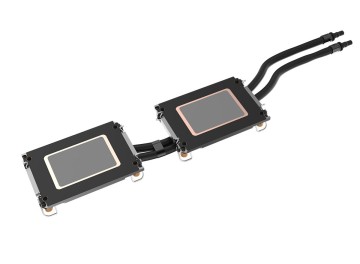
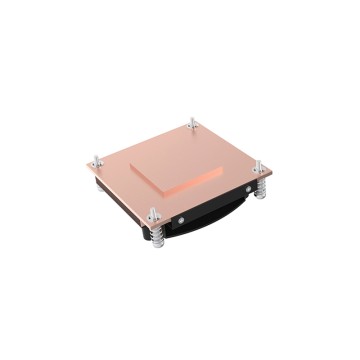
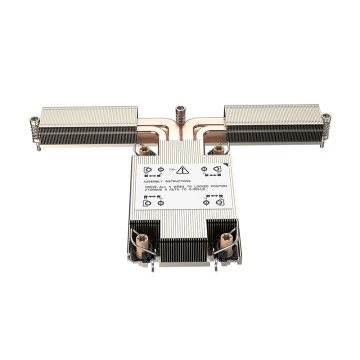
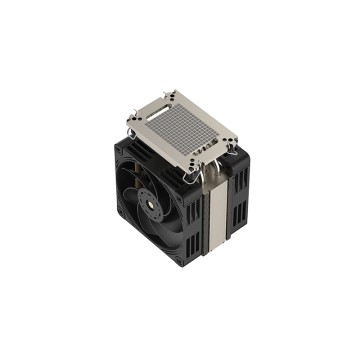
Trending Extruder Heatsink Your Trusted OEM Partner More Than a Supplier - A Partner
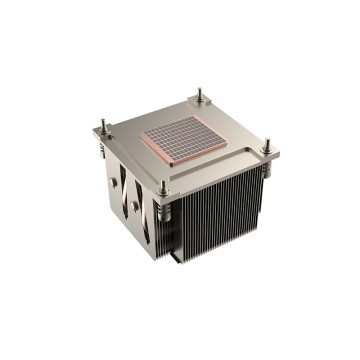
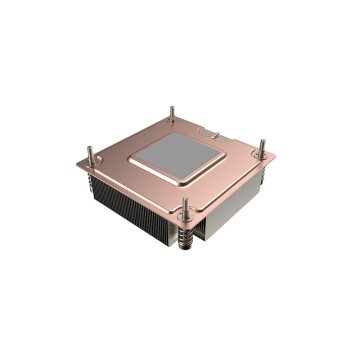
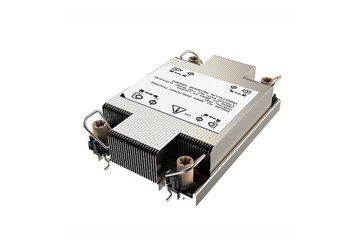


M
Mason Young
The quality is fantastic! The after-sales staff made the experience even better with their professionalism and fast response.
14 June 2025
L
Lily Young
Incredible quality! The after-sales representatives provided prompt and thorough assistance, which I really appreciated.
24 May 2025
M
Madison Green
The quality is top-notch! I was thoroughly impressed with the support team’s professionalism and responsiveness.
03 July 2025
E
Emma Bell
The quality of this product is remarkable! The after-sales support goes above and beyond to assist customers.
05 July 2025
Z
Zoe Cooper
The quality is superb! The after-sales team was very supportive and made the entire process smooth.
27 June 2025
B
Benjamin Miller
Top-notch quality! The after-sales support staff provided quick and insightful responses.
24 May 2025