Leave Your Message
0%

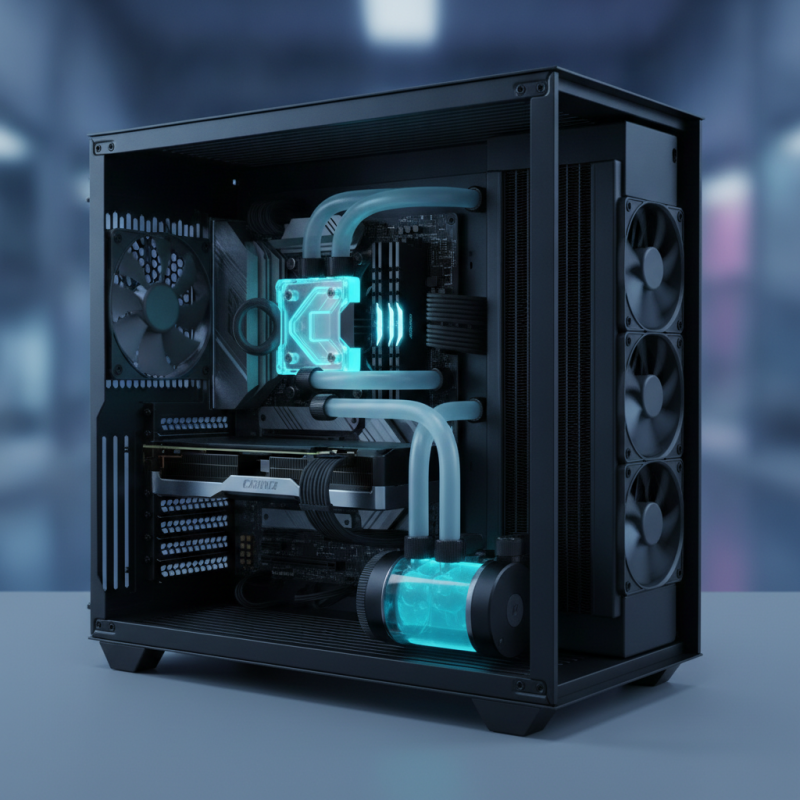
Picking the right liquid Heat Sink Is pretty important if you want your electronics to stay cool and run smoothly. Basically, a good heat sink needs to get rid of heat effectively — otherwise, things can get pretty hot under the hood. When you're choosing one, you'll want to consider stuff like the material it's made from, the size, and what you actually plan to use it for. Brands like Thermaltake and CoolIT have a bunch of options tailored to different needs, so it’s worth shopping around.

Now, liquid heat sinks use fluid to help carry away heat, which usually beats the pants off air cooling systems. That said, figuring out which one is right for you can get pretty confusing. Things like pump efficiency and the type of fluid can make a real difference in performance. And let’s be honest — it’s often a balancing act between how well it works and how much it costs.

Before you decide, it’s a good idea to step back and reevaluate what you actually need. Talking to experts or folks who’ve been there can really help clear things up and make sense of the specs. Also, don’t just settle on the first option you see—taking a bit of time to compare different brands and models usually pays off. Researching thoroughly can help you avoid surprises down the line. Keep in mind, understanding the limitations and potential hiccups is key to making a smart choice. In the end, being well-informed means you’ll end up with a cooling solution that’s reliable and up to the task.
How to Choose the Right Liquid Heat Sink for Your Needs?

Understanding the Basics of Liquid Heat Sinks

Liquid heat sinks play a crucial role in managing thermal energy in various applications. Understanding their basics is essential before making any choices. These systems utilize liquid coolant to capture and transfer heat away from components. The design can impact efficiency. A well-matched liquid heat sink can significantly improve performance.

Material selection is vital. Common options include copper and aluminum, each with unique thermal conductivity properties. Consider the working environment. High temperatures may require different materials compared to standard conditions. Additionally, the coolant type is important. Water is common, but other fluids can enhance cooling in specific situations.

Flow rates also matter. A higher flow rate usually increases Heat Transfer efficiency. However, it might make the system noisier or complex. Balancing performance and practicality is often challenging. Proper maintenance is crucial, as sediment buildup can affect efficiency. Regular checks can help ensure optimal performance. Each decision should align with the specific needs of your application.

Liquid Heat Sink Performance Comparison

This chart compares the cooling efficiency of different liquid heat sinks. The performance is measured in watts per square meter per Kelvin (W/m²K), providing insights into which option might best suit your cooling needs.

Identifying Your Cooling Requirements

Choosing the right liquid heat sink begins with understanding your cooling requirements. Efficient thermal management is vital in various applications. Reports suggest that nearly 70% of device failures result from overheating. Thus, assessing your thermal load is critical.

Start by determining the heat generated by your components. This information helps select a heat sink that can handle the thermal load effectively. For example, if components generate around 150W of heat, the heat sink must dissipate this without causing temperature spikes. Aim for a temperature difference that does not exceed the specified limits of your components.

Tip: Consider ambient temperatures in your environment. Higher surrounding temperatures can limit the cooling efficiency of your heat sink. Additionally, think about the flow rate of the liquid coolant. A higher flow rate can enhance heat transfer, but it may also require more energy.

It’s essential to review the system's layout. Poor placement can hinder airflow and cooling performance. Sometimes liquid heat sinks can be oversized. Such oversizing may lead to difficulty in integration or excess cost without significant cooling benefits. Balancing these factors is crucial for optimal performance.

Evaluating Different Liquid Heat Sink Configurations

When evaluating liquid heat sink configurations, several factors come into play. The choice largely depends on your thermal management needs and system design. Liquid cooling solutions can vary in size, complexity, and efficiency. Always consider the specific heat transfer requirements of your application.

A common configuration is the cold plate design. This option provides direct contact between the liquid and the heat source. It's efficient but can be less versatile. For more compact setups, consider mini-channel heat sinks. They maximize surface area while retaining a small footprint. However, their manufacturing complexity can lead to higher costs.

Tips for choosing the right configuration: Opt for designs that match thermal loads closely. This prevents overheating and inefficiency. Additionally, assess the fluid flow rate. Insufficient flow can hinder cooling performance. Keep an open mind; sometimes, a less complex solution may serve your needs better. The goal is to enhance efficiency while maintaining budget limits.

How to Choose the Right Liquid Heat Sink for Your Needs? - Evaluating Different Liquid Heat Sink Configurations

Heat Sink Type Material Cooling Capacity (W) Weight (kg) Cost ($)
Closed Loop Liquid Heat Sink Copper 500 2.5 120
Open Loop Liquid Heat Sink Aluminum 300 1.8 80
Integrated Liquid Heat Sink Stainless Steel 450 3.0 100
Passive Liquid Heat Sink Copper 200 2.0 70
Active Liquid Heat Sink Titanium 600 3.5 150

Material Considerations for Liquid Heat Sinks

When selecting a liquid heat sink, material choice is crucial. Different materials offer varying thermal conductivities, weights, and durability. For example, copper is often preferred due to its excellent thermal conductivity, while aluminum is lighter and more cost-effective. A careful evaluation of these properties ensures the heat sink performs optimally in its environment.

Consider fluid compatibility as well. For instance, some materials may corrode when in contact with specific coolants. This can lead to failures and costly repairs. Plastic options can be available, but they often lack the thermal efficiency of metals. It’s essential to weigh the benefits and drawbacks of these materials honestly.

Moreover, the manufacturing process can affect material performance. Some methods may introduce impurities, which compromise thermal efficiency. Think about the long-term implications of your choice. Are you prioritizing performance over cost? Reflecting on these questions can guide you toward the right decision. Each choice comes with its trade-offs, and understanding them is vital for achieving the best results.

Assessing Flow Rates and Efficiency

How to Choose the Right Liquid Heat Sink for Your Needs?

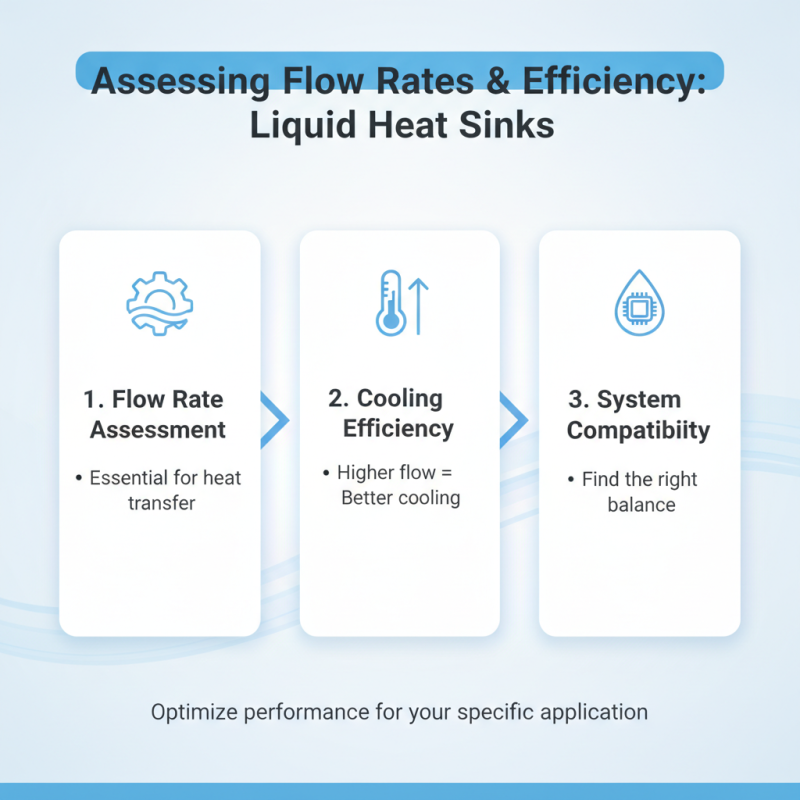
When selecting a liquid heat sink, assessing flow rates is essential. Flow rate impacts a heat sink's ability to transfer heat. A higher flow rate typically results in better cooling efficiency. However, not all systems can handle the same flow dynamics. It's crucial to find a balance that suits your specific application.

Efficiency also ties closely to design. Different configurations can lead to varied performance outcomes. A poorly designed system may struggle, even with high flow rates. For example, turbulent flow may enhance heat transfer but increase energy consumption. Conversely, laminar flow may offer stability but lower heat exchange efficiency.

Designers must reflect on their needs. Sometimes, over-engineering leads to wasted resources. Keep in mind the actual cooling requirements. Evaluating your specific needs against available technology helps avoid unnecessary complexity. Knowledge of fluid dynamics can guide these decisions, ensuring optimal performance in practical scenarios.

Sizing and Compatibility with Your System

When selecting a liquid heat sink, sizing is crucial. The heat sink must fit within the space of your system. An inadequate size can lead to inadequate cooling. Carefully measure the dimensions where the heat sink will be installed. Ensure there’s enough room for connections and flow paths.

Compatibility is equally important. Check that the heat sink pairs well with your cooling system. Whether it’s a pump or reservoir, all components need to work together efficiently. Incompatible parts might result in leaks or ineffective cooling. Investigate specifications. Understand the thermal mass and fluid type your system requires.

This process can feel overwhelming. It’s easy to overlook small details that can have big impacts. Keep an eye on factors like fluid viscosity or ambient temperature. Regular assessments can help catch potential issues. Learning from past installations builds knowledge and confidence for future projects.

Cost Analysis and Budgeting for Liquid Heat Sinks

How to Choose the Right Liquid Heat Sink for Your Needs?

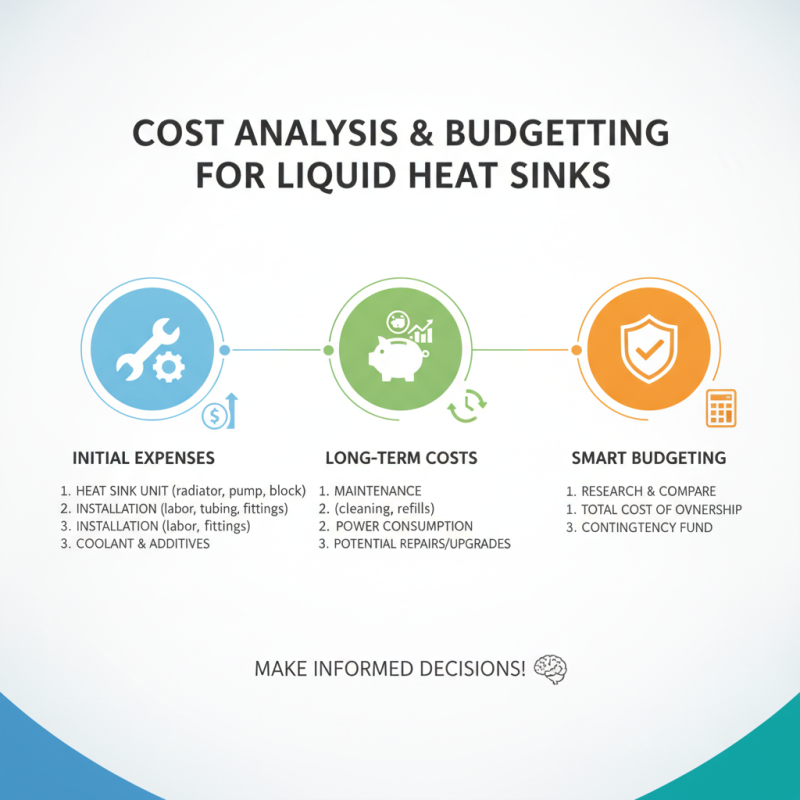
When considering a liquid heat sink, budget plays a crucial role. Understanding the costs involved is essential for making informed decisions. The initial expenses often cover the heat sink itself, along with installation and maintenance. These costs can add up quickly. It's vital to create a realistic budget that factors in both immediate and long-term expenses.

Evaluate the specifics of your project. Different designs and materials will affect the overall cost. For instance, a high-performance heat sink may require a larger initial investment but offer better efficiency and lower operational costs over time. Neglecting long-term savings could lead to overspending in the future.

Additionally, don’t forget about the installation process. Sometimes, specialized skills are needed, which can increase labor costs. Being aware of these hidden expenses can help you avoid budget overruns. It’s wise to consult with experts in thermal management to understand the full scope of potential expenses. This can enhance reliability in your heat management solution while staying within your financial limits.

FAQS

: Why is material choice important for liquid heat sinks?

: Different materials have varying thermal conductivities and weights. This affects the heat sink's performance.

What are the advantages of using copper for heat sinks?

Copper has excellent thermal conductivity, making it efficient for heat transfer in cooling systems.

How does fluid compatibility affect heat sink performance?

Some materials can corrode with specific coolants, which may lead to failures and costly repairs.

What role does flow rate play in cooling efficiency?

A higher flow rate usually enhances cooling efficiency, but systems must handle the flow dynamics.

How can a poor design impact a heat sink?

A poorly designed system may struggle, even with high flow rates, leading to inadequate cooling.

What should I consider when sizing a liquid heat sink?

Ensure the heat sink fits well in your system and has enough space for connections and flow paths.

Why is compatibility important when selecting a heat sink?

Incompatible components may cause leaks or ineffective cooling, so specifications must align.

How can I avoid over-engineering my cooling system?

Assess your actual cooling needs against available technology to prevent unnecessary complexity.

What factors should I monitor during the installation of a heat sink?

Factors like fluid viscosity and ambient temperature can greatly impact performance and effectiveness.

What can help improve my confidence for future heat sink projects?

Learning from past installations and regularly assessing performance can build knowledge for the future.

Conclusion

Choosing the right Liquid Heat Sink requires a comprehensive understanding of several crucial factors. Initially, it's important to grasp the fundamentals of liquid heat sinks, which effectively transfer heat away from critical components through fluid circulation. Identifying your specific cooling requirements is essential, as different applications necessitate varying levels of thermal management.

Evaluating different configurations of liquid heat sinks helps determine the best fit for your system, while material considerations play a significant role in performance and durability. Additionally, assessing flow rates and efficiency will ensure optimal heat dissipation. Proper sizing and compatibility with your existing system are critical to avoid any operational issues. Finally, conducting a thorough cost analysis and budgeting will allow you to select a liquid heat sink that meets your needs without compromising on quality.
Isabella

Isabella

Isabella is a dedicated marketing professional at Shenzhen Xinda Thermal Technology Co., Ltd. (Project Two), where she excels in promoting the company's innovative thermal energy solutions. With a strong background in product knowledge and a keen understanding of market trends, Isabella plays a......
Previous 2026 How to Choose the Right Copper Heat Sink for Your Needs?