


 Mr. Perry Wu International Sales Director

High-Quality 3D Printer Stepper Motor Heat Sink from Top Supplier & Manufacturer
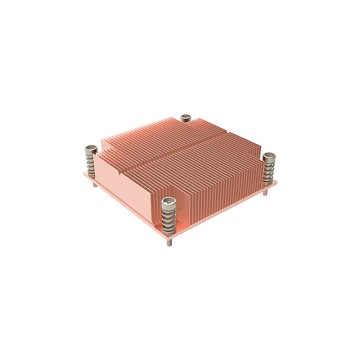
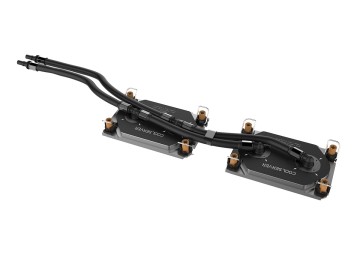
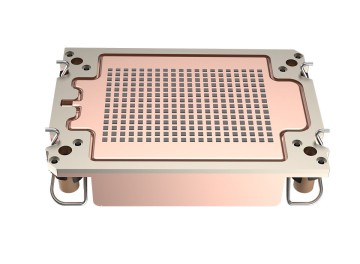
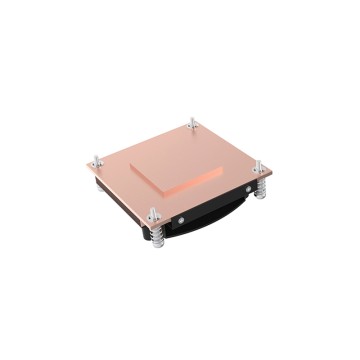
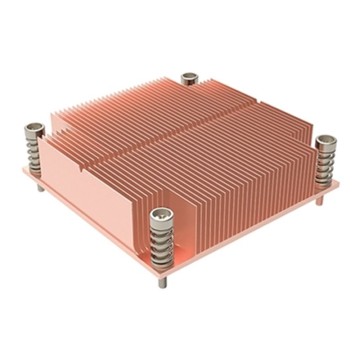
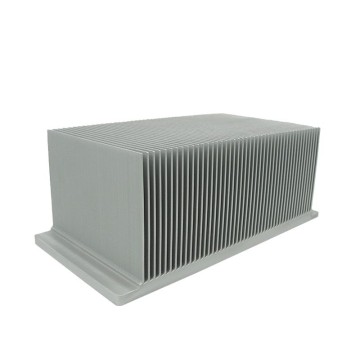
When I sought the ideal solution for cooling in 3D printers, I found that the 3D Printer Stepper Motor Heat Sink from Shenzhen Xinda Thermal Technology Co., Ltd. stands out. Designed for efficiency, this heat sink ensures optimal thermal management, keeping your stepper motors cool under pressure, As a buyer, I value custom options, and Xinda offers tailored solutions that meet specific needs, ensuring compatibility across various 3D printer models. The quality and durability of these products are unmatched, making them a reliable choice for manufacturers and hobbyists alike, As a recognized supplier, Xinda has the capacity to fulfill large orders, backed by their commitment to quality and performance. When it comes to sourcing from a factory that truly understands the thermal challenges in 3D printing, I have always turned to Xinda for their expertise and exceptional customer service. Trust me, these heat sinks are a game changer for enhancing the reliability of your 3D printing operations

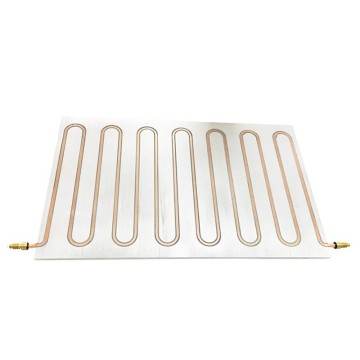
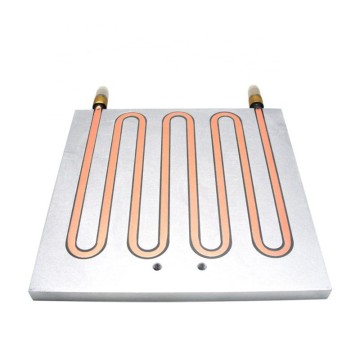
How To Select 3d Printer Stepper Motor Heat Sink Global Reach For the Current Year
When selecting a stepper motor heat sink for your 3D printer, several critical factors should be considered to ensure optimal performance and global applicability in the current market. Heat sinks play a pivotal role in dissipating heat generated by stepper motors during operation, preventing overheating and maintaining the efficiency of your printer. Begin by evaluating the thermal management requirements of your specific 3D printer model, including the power rating of the stepper motor and its operating environment. A Heat Sink that complements these parameters will ensure longer operational life and better performance. Next, consider the manufacturing process of the heat sink. Different fabrication techniques such as CNC machining, extrusion, and high-precision stamping offer distinct advantages in terms of quality, precision, and scalability. For global buyers, it is vital to select a manufacturer capable of producing heat sinks tailored to specific requirements, using advanced methods like skiving fins or vapor chambers that enhance thermal conductivity. Furthermore, ensure that the heat sink design meets international standards for performance and reliability, providing assurance that it will function effectively in diverse regions and applications. Lastly, don’t overlook the importance of material selection and finish. The choice of materials, including aluminum or copper, directly affects the heat sink's thermal performance and weight, impacting the overall design of your 3D printer. A proper thermal module assembly can also enhance heat dissipation capabilities. As you explore options, seek manufacturers that offer a variety of heat sink solutions to adapt to the ever-evolving technology landscape and meet the global demand for efficient 3D printing solutions.
How To Select 3D Printer Stepper Motor Heat Sink Global Reach For the Current Year
| Parameter | Value | Importance | Current Market Trend |
|---|---|---|---|
| Material | Aluminum | High | Growing demand for lightweight components |
| Size | 30mm x 30mm | Medium | Standard size for most 3D printers |
| Weight | 15g | Medium | Trends towards lighter options for efficiency |
| Cooling Efficiency | Up to 85% | High | Increased focus on thermal management |
| Cost Range | $5 - $25 | Medium | Affordability key for hobbyist market |
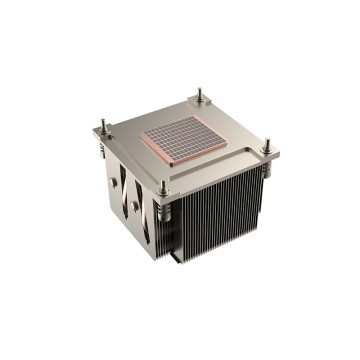

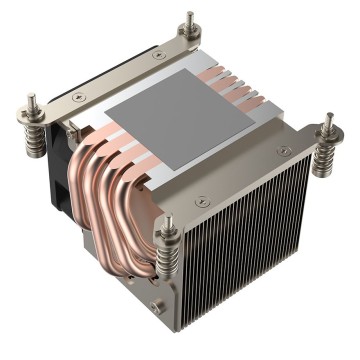
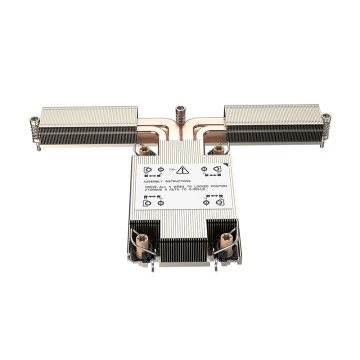
Decoding 3d Printer Stepper Motor Heat Sink Custom Solutions, Service Backed by Expertise


S
Sophia Davis
This product shows exceptional craftsmanship. The support team was not only professional but also very efficient in addressing my concerns.
26 June 2025
L
Lucy Rivera
Remarkable quality! The level of professionalism in the after-sales service really stood out.
24 May 2025
M
Maximus Kelly
Thrilled with the quality! Customer support was on point and handled my inquiries with great skill.
12 June 2025
J
Justin King
Top quality! The after-sales team was diligent and responsive, ensuring all my needs were met.
13 June 2025
I
Isaac Wright
I love the quality of this product! The after-sales staff was friendly and incredibly helpful.
13 June 2025
D
Diego Allen
The quality is fantastic! The after-sales team went above and beyond with their service. Truly commendable!
20 June 2025